
SPORTS MEDICINE GIG HARBOR SILVERDALE
Our Primary Care Sports Medicine (PCSM) Physician in Gig Harbor, is a specialist trained in both the treatment and prevention of illness and injury to help you achieve your personal best and lead a healthier lifestyle. PCSM physicians can maximize non-operative treatment, guide appropriate referrals to physical and occupational therapies, and if necessary, expedite referral to an orthopedic/sports surgeon. The majority of PCSM physicians are experienced in ultrasonography, a rapidly developing technology used for diagnostic as well as treatment of musculoskeletal injuries, as well as regenerative medicine (sometimes referred to as “orthobiologics”), which is becoming a popular treatment option in treating musculoskeletal pain and injury. PCSM physicians are ideal physicians for both the elite-level athletes as well as the non-athletes who wish to become active or begin an exercise program.
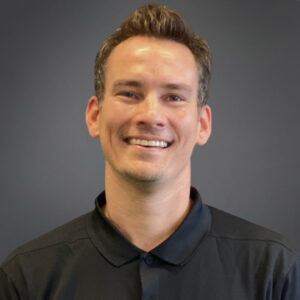
Dr. Scott Chandler is one of only a couple of PCSM physicians in the Kitsap region. With a foundation in osteopathic medicine and primary care, he is better able to assess the whole patient, ensuring treatment plans consider lifestyle, biomechanics, and underlying contributors to pain. He understands firsthand the frustration of injury and the satisfaction of returning to peak performance from both his participation in sports and endurance events, as well as having covered Division I collegiate and combat sport events, in addition to many weekend warriors.
He believes most musculoskeletal conditions can improve naturally with proper guidance, rehabilitation, and, when needed, targeted non-surgical interventions, but he works closely with the PRO SPORT Orthopedic team on appropriate timing for surgical interventions.
SPORTS MEDICINE SERVICES
POINT-OF-CARE MUSCULOSKELETAL ULTRASOUND
Point-of-care musculoskeletal ultrasound allows clinicians to visualize muscles, tendons, ligaments, and nerves in real time during a clinic visit. It has higher spatial resolution than an MRI, meaning it can give clearer images of the tissues outside of the joint than an MRI. It’s also a live image, which allows for dynamic assessments under stress views, therefore improving diagnostic accuracy. It can also be used to guide injections to allow for more accurate and effective procedures.
CORTICOSTEROID
Corticosteroid (cortisone) injection Cortisone is a powerful anti-inflammatory medication that can be injected directly to a painful/inflamed area, such as a joint, tendon, bursa or around a nerve. While it can provide relatively strong and fast pain relief, it can also weaken tissues and so this should be done with caution, especially when done repeatedly. Typically it doesn’t address the underlying problem, so the injection should generally be coupled with other treatments targeting the underlying cause.
HYALURONIC ACID
Hyaluronic acid is a naturally occurring substance found in the synovial fluid of joints that acts as a lubricant to allow the bones to glide smoothly over each other. This can be injected into arthritic joints, most commonly the knee, to help reduce pain and improve movement. Hyaluronic acid injections have the potential to work better and longer than cortisone, but are most effective in early stages of osteoarthritis.
PROLOTHERAPY
Prolotherapy is a procedure that aims to stimulate the body’s natural healing response by injecting a dextrose (sugar) solution into the injured or painful ligaments and tendons. The mild irritation is intended to promote tissue repair and strengthen weakened connective tissue over time. It’s most commonly used to support tendon/ligament healing, but can also help with joint pain.
PRP INJECTION
PRP (platelet-rich plasma) injections use a concentration of your own blood platelets to reduce inflammation, decrease pain and improve function by stimulating the body’s natural healing mechanisms through a release of many growth factors. This can be helpful for many musculoskeletal pains and injuries, including joints, tendons and ligaments. Treatments are often administered via a localized injection to the affected site of injury or area of inflammation.
ALTERNATIVE PROCEDURES
(calcific barbotage, joint hydrodistention, and nerve hydrodissection) There are a few other unique procedures that are only possible with the advent of ultrasound for procedural guidance.
CALCIFIC BARBOTAGE is a procedure to rapidly address the painful calcium deposits associated with chronic tendinopathy by breaking up and flushing out the deposit under ultrasound guidance.
A JOINT HYDRODISTENTION is an injection of a large volume of fluid into a stiff joint to mechanically break up scar tissue and improve joint mobility. This is primarily used for treatment of frozen shoulder.
NERVE HYDRODISSECTIONS is an injection of fluid into the thickened or scarred tissue around a nerve, and by relieving the pressure on the nerve this may alleviate the radiating pain and numbness that comes from nerve compression.